

There’s something about the quiet of the evening – the day’s responsibilities fade, the world slows down, and suddenly the urge to binge feels louder than anything else. You might blame yourself, thinking you’re weak or undisciplined, but binge eating at night is rarely about willpower. It’s about unmet needs, emotional overwhelm, and a body trying to protect you in the only way it knows how. Here’s a practical and compassionate guide to help you understand what’s happening and begin breaking the cycle with curiosity rather than self-blame.
Why Night-Time Binge Eating Happens
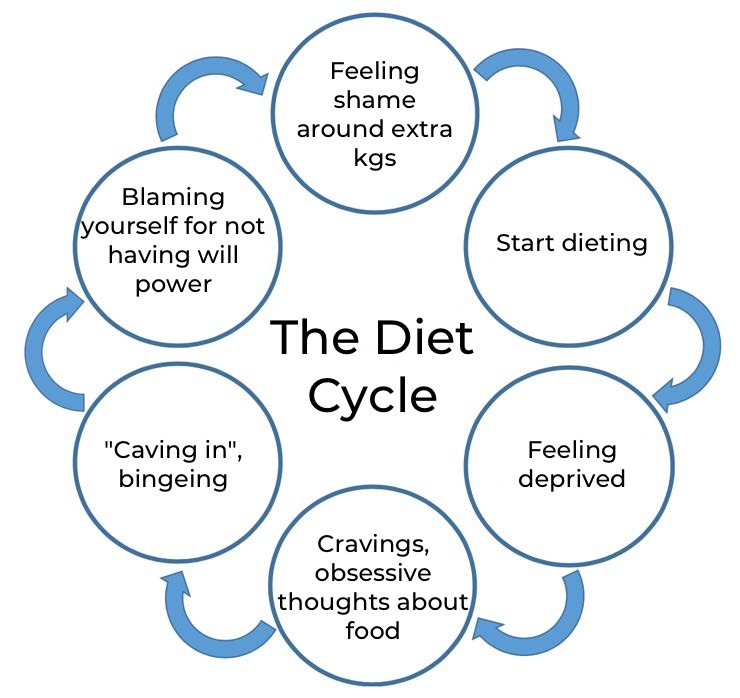
Dieting Backfires
When you restrict food during the day or tighten your rules around ‘good’ and ‘bad’ foods, your body moves into survival mode. Your brain interprets this as a sign of scarcity and prompts you to eat more later. Night-time becomes the moment your biology rebels against restriction and demands relief. You can read about the control in eating in my post here.
Emotional Needs Are Unmet
Binge eating in the evening often has little to do with food. It’s a way to numb emotions, soothe overwhelm, or escape loneliness. When emotional needs go unaddressed, food becomes the quickest and most reliable source of comfort.
Shame and the Control Loop
After bingeing, shame floods in. You vow to control your appetite harder the next day, but more control leads to more deprivation, which leads to another binge. The pattern reinforces itself, making you believe the problem is discipline when it’s emotional regulation.
Emotional Hunger Masquerades as Physical Hunger
Emotional hunger comes on fast and often demands specific foods. It feels urgent and consuming. Your body might feel empty, but it’s your emotions that are looking for comfort, expression, or rest. You can see a simplified difference between physical and emotional hunger here.
A Step-by-Step Recovery Plan: From Reaction to Regulation
Step 1: Shift from Restriction to Nourishment
Establish regular eating to stabilise your blood sugar and calm your survival instincts. Aim for three balanced meals and two snacks throughout the day. Give yourself permission to include foods you’ve restricted. Allowing ‘forbidden’ foods begins to neutralise their emotional charge. Reconnect with your body’s cues through simple mindfulness. Notice when you start feeling hungry, when your energy dips, and when you begin to feel satisfied. These cues have likely been overridden for years and need time to reawaken.
Step 2: From Control to Curiosity
When the urge to binge appears, pause. Instead of reacting, ask: What am I feeling right now? What do I really need? Naming your emotions gives them space and helps you respond rather than react. Approaching your internal world with curiosity instead of judgment helps you understand the emotional parts that led you to reach for food. This is where healing begins.
Step 3: Create New Self-Soothing Rituals
If food has become your main comfort, you’ll need to build new emotional tools. Try grounding exercises, deep breathing, stretching, a warm shower, journaling, music, gentle movement, or reaching out to someone you trust. These alternatives help regulate the nervous system and offer comfort without the aftermath of shame or overwhelm.
Step 4: Reframe ‘Greed’ as Emotional Hunger
The frantic urge to binge is not greed or weakness. It is a part of you that feels emotionally hungry, overwhelmed, or disconnected. This part learned that food provides quick relief. Instead of fighting it, acknowledge it with compassion. Understanding this internal dynamic reduces shame and helps you respond more intentionally.
Step 5: Heal the Deeper Roots of Binge Eating
Sustainable change often requires addressing emotional patterns, trauma, or long-standing beliefs about yourself and your body. Therapeutic coaching or therapy can help you explore the deeper layers of your behaviour. Working with the nervous system through breathwork, somatic practices, or gentle movement builds resilience. Learning to speak to yourself with kindness rather than criticism helps rebuild trust and self-worth.
Putting It Into Practice: An Evening Routine
When a binge urge appears in the evening, try this simple flow:
- Pause and breathe.
- Name what you’re feeling.
- Choose a soothing action or, if you decide to eat, do it mindfully.
- Speak to yourself kindly.
- Reflect afterwards on what came up.
No perfection. Just practice.
A Long Process
Healing night-time binge eating is a long process. It takes time for the brain to rewire, for your nervous system to feel safe again, for new habits to replace old coping mechanisms. There are no quick fixes. Nothing changes overnight because these patterns didn’t appear overnight.
Real change happens when you learn to tolerate the discomfort of doing things differently. When you practice pausing instead of reacting. When you sit with an urge without obeying it. When you choose nourishment instead of restriction. These moments of discomfort aren’t signs you’re failing. They are signs you’re healing. Think of this journey as a long-term investment. You are building a habit for life, not another short-term attempt at control.
Each time you stay present with yourself, each time you speak kindly after a binge, each time you regulate instead of restrict, you lay down new neural pathways. Slowly. Steadily. Repeatedly. Progress is often quiet: fewer binges, softer urges, a little more trust in your body. Not dramatic. Not instant. But powerful. Be patient with yourself. Your brain is learning a new way to cope. Your body is learning a new rhythm. Your emotions are learning a new language. Let it take the time it needs.